Sambar, explained to the uninitiated as spiced lentil stew with vegetables. The very word to me is comfort food. We make sambar once a week at least most times. Even after having made it so many times, the taste varies almost every single time. That is because of the combination of veggies I use in this stew would vary. At times I buy certain vegetables that I would very much use just for sambar. And other times, it is about using up any left over vegetables. Each vegetable imparts its wonderful flavor and makes the sambar that much tastier.
There are many kinds of stews that can be made of veggies, tamarind paste, salt and jaggery. We make something called pulusu, which is much lighter than sambar. Then there is dappalam – which is pretty much like pulusu but thickened with rice powder. Neither of these contain dal and in fact may or may not use any spice powder except for a teaspoon of chilli powder. I am not including rasam and chaaru because the most typical of preparations use only tomatoes and may be some drumsticks as veggies. Then there is sambar! This is very hearty for the very fact that there is dal in it, and along with the spice mix tends to make the dish thicker and more filling.
Usually the spice mix I use to make sambar is what my mother or mil would send me. And they taste lovely and comforting. I decided to try making it with fresh masala paste one time. My husband’s aunt makes it this way when we visit her. Any weddings or functions back at home, the sambar masala paste is made fresh just before adding it to the par-cooked veg mixture. Most restaurants make it fresh too. And when made with fresh ground masala, it is distinctly different in taste and flavor. It certainly is a few steps more than the typical sambar preparation, and totally worth it for occasional times.
Couple of things about sambar, it can never be rushed. The slower and longer it is simmered, the better it tastes. The entire house will be filled with the beautiful aroma. The cooked toor dal should be well mashed before adding it to the dish. It gives the entire dish a very homogenous texture. Add the toor dal, tamarind and spice mix only after the vegetables are 50% cooked. Adding a bit of jaggery at the end tends to add to the complexity of the dish. And fresh coriander/cilantro garnish is a must, in my opinion.
Having said that, this is a very forgiving and customizable dish. You can add in as many or as few vegetables. It tastes uniquely amazing every time. This preparation is slightly more intense than what I would have with idli/vada. This is to be had with rice and a good dollop of ghee. Long intro done, so let’s jump to the recipe now!
Ingredients
For masala paste
Oil – 1 tbsp, use sesame seed oil if available
Coriander seeds – 2 tbsp
Red chillis – 4-5 (adjust to taste, the ones I used were suuuper hot)
Cumin seeds – 1 tsp
Rice – 1 tsp
Methi seeds – 3/4 tsp
Chana dal – 1 tsp
Urad dal – 1 tsp
Fresh grated coconut – 1/4 cup
Water – 5-6 tbsp
Toor dal
Toor dal – 2/3 cup
Turmeric – 1/4 tsp
Water – 2 cups
Sambar
Mix of veggies – 3.5 – 4 cups excluding drumsticks (I used bottle gourd, sweet potato, drumsticks, okra/lady’s finger, onion, tomato)
Turmeric – 1/4 tsp
Tamarind – 1 lemon sized ball
Water – 4 – 5 cups
Salt – to taste
Jaggery – 1 inch cube
Coriander leaves – a fistful
Ghee – 1 tbsp (optional)
Tempering
Oil – 1 tbsp
Split urad dal – 1 tsp
Chana dal – 1 tsp
Cumin seeds – 1 tsp
Mustard seeds – 1 tsp
Hing – couple of fat pinches
Serves – 4
Recipe
- Boil toor dal by adding in all ingredients under “Toor Dal” in a pressure cooker for about 3-4 whistles. It should be really well cooked and very soft.
- Make the masa paste now. Heat up a tablespoon of oil in a wide pan
- Once hot, turn down the heat to low and add in the chillis. Let these bloat up
- Now add the rest of the ingredients except for coconut
- Keep roasting/tossing them around for about 2-3 mins until a wonderful aroma wafts around
- Turn off the heat and add in the coconut and toss it in the mixture for a few seconds.
- Remove these to a plate to cool down
- Once cooled down, grind this with a few tablespoons of water to a smooth paste
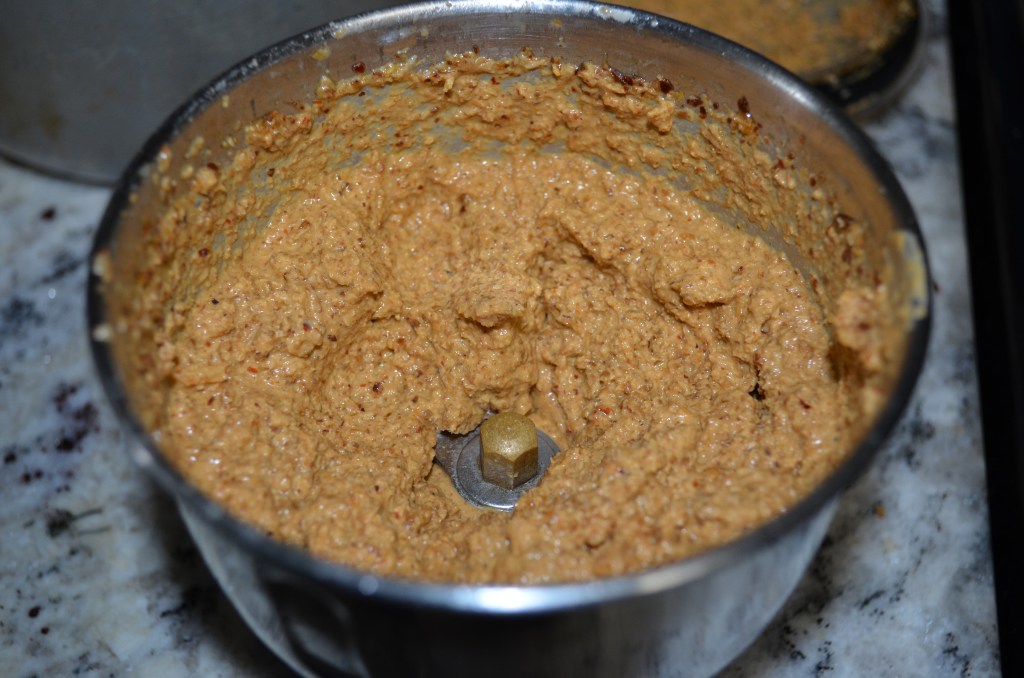
- While the masala paste ingredients are cooling down, in a largish vessel, about 5-6 liters, heat up the oil (tempering)
- Once the oil is hot, first add in the chana dal and fry for about 15-20 seconds. Then add in urad dal and let it fry for 5 seconds. Now add in the cumin and mustard and let them pop. Now add in the hing.
- Now add the vegetables in the order of cooking. I used frozen bottle gourd and drumsticks, so those went in first to cook for about 10 minutes. But if using fresh vegetables, you can add in the bottle gourd, pumpkin or any other bigger pieces first to be cooked. Add enough water, about 3/4 cup, cover and let these cook
- Once they look partially done, add in the rest of the vegetables. I put in okra, sweet potato, tomato and onion.
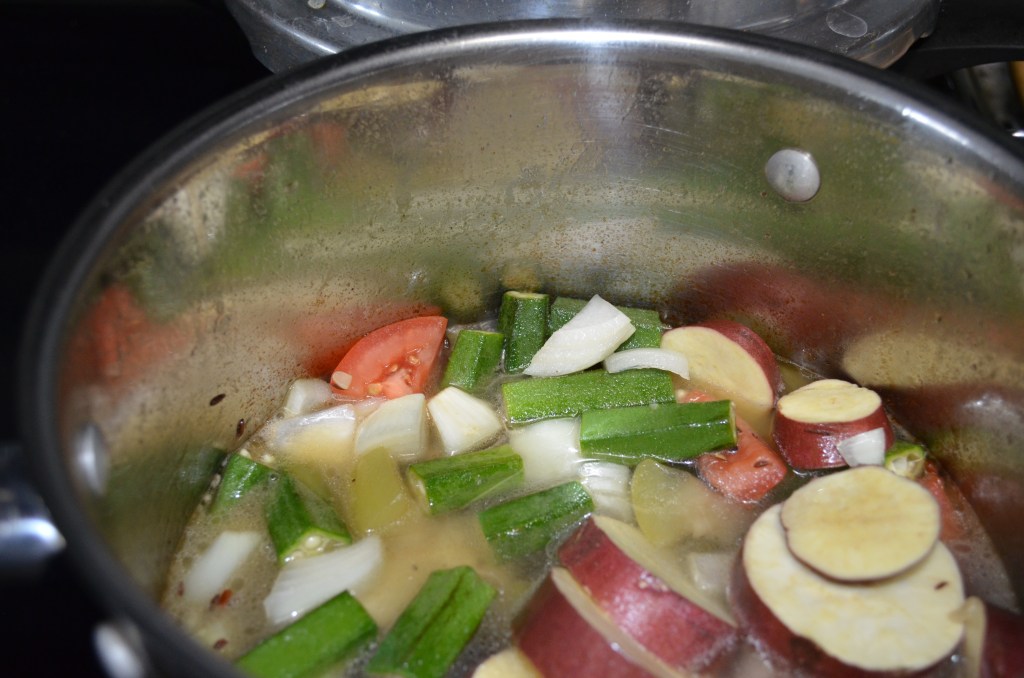
- Add in another 2 cups of water now, cover and let these cook about 50 percent only. We want the vegetables to hold their shape while rendering their flavors to the watery base. This may take about 15 minutes or so. Please keep checking initially every 5 minutes and once after the 15 minute mark, every couple of minutes
- While the vegetables are cooking, mash the toor dal really well. Alternatively grind it smooth.
- Soak the tamarind in hot water and extract the juice
- Once the veggies are done, add in the toor dal, tamarind extract, salt, turmeric, jaggery and ground sambar masala to the vegetables. Add another cup or two of water now. This tends to thicken really quick once it comes to a boil. (Optional: if you have curry leaves, add them in now, totally optional though)
- Now cover and let this come to a boil. You will see it begin to thicken now
- Once it has come to a boil, reduce the flame to low-medium and let this simmer for at least another 10 minutes. The vegetables now tend to absorb the flavors of the sambar spice mix, tamarind, salt and jaggery.
- Check for seasoning and add salt, tamarind or jaggery as needed. If it tastes bland, you can add up to a teaspoon of chilli powder too.
- If the vegetables still seem slightly underdone, continue to simmer for longer. But mostly, it should be done by now.
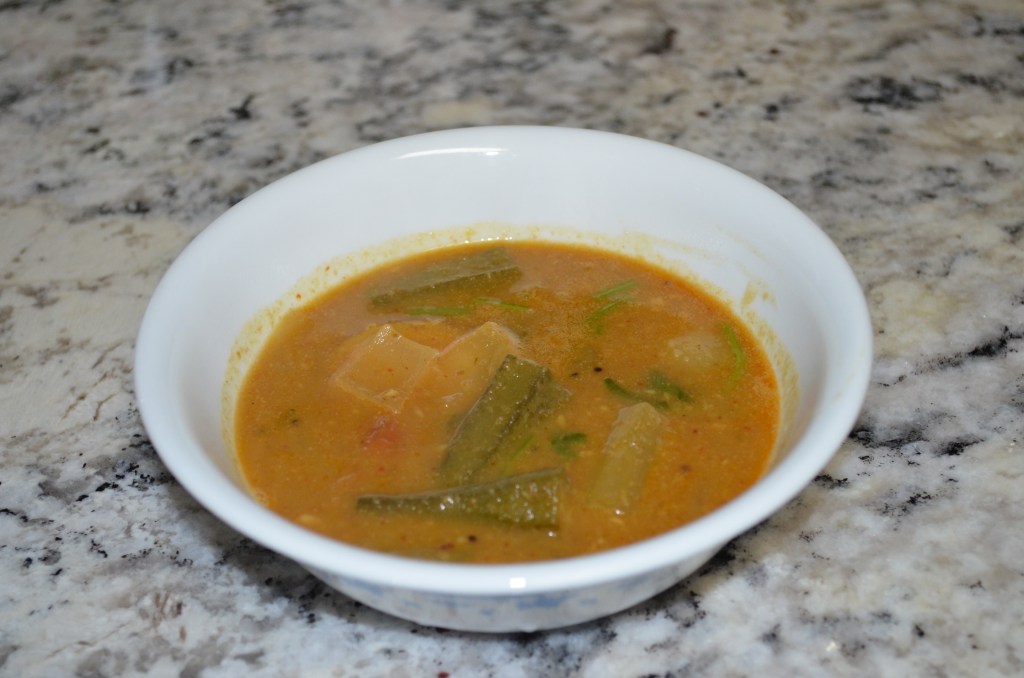
- Once done, switch off the flame, add in a tablespoon of ghee and add in chopped coriander leaves and done!
- This can be served with rice and ghee now.
I’m participating in #BlogchatterA2Z hosted by BlogChatter.
 Amateur Cooks Recipes